
What makes a community system continue after handover?
These case studies examine more than activity delivered or people trained. They look at whether water, soil, labour, skills and authority were strong enough for a locally managed system to keep working after external support stepped back.
What do EDGE5 case studies show?
EDGE5 case studies show how community-development investments perform when assessed as complete local systems. They document the challenge, the delivery model, the evidence of change and the conditions that remained unresolved.
The purpose is practical: to help mining companies, governments and development organisations identify weaknesses before investment is committed — or before a project reaches handover.
Community investment examined in context
Each case separates documented evidence, reported outcomes and practitioner interpretation so readers can see both what worked and what still placed continuation at risk.
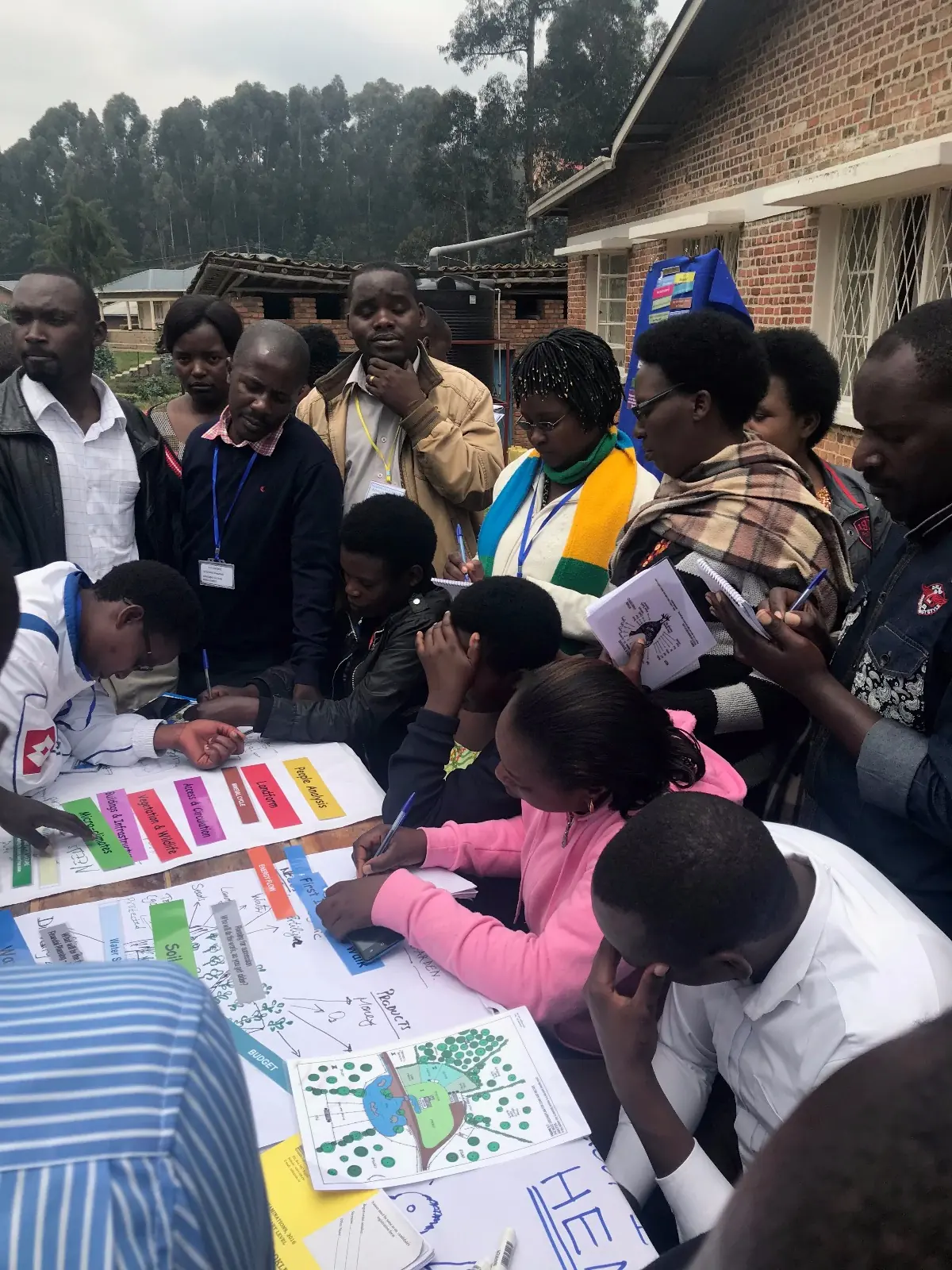 CASE 01
How Local Training Capability Scaled Home Gardens Across Nyabihu District
EDGE5 developed the strategy, education system and local capability through which appropriate household-garden systems could spread without continued dependence on an external consultant.
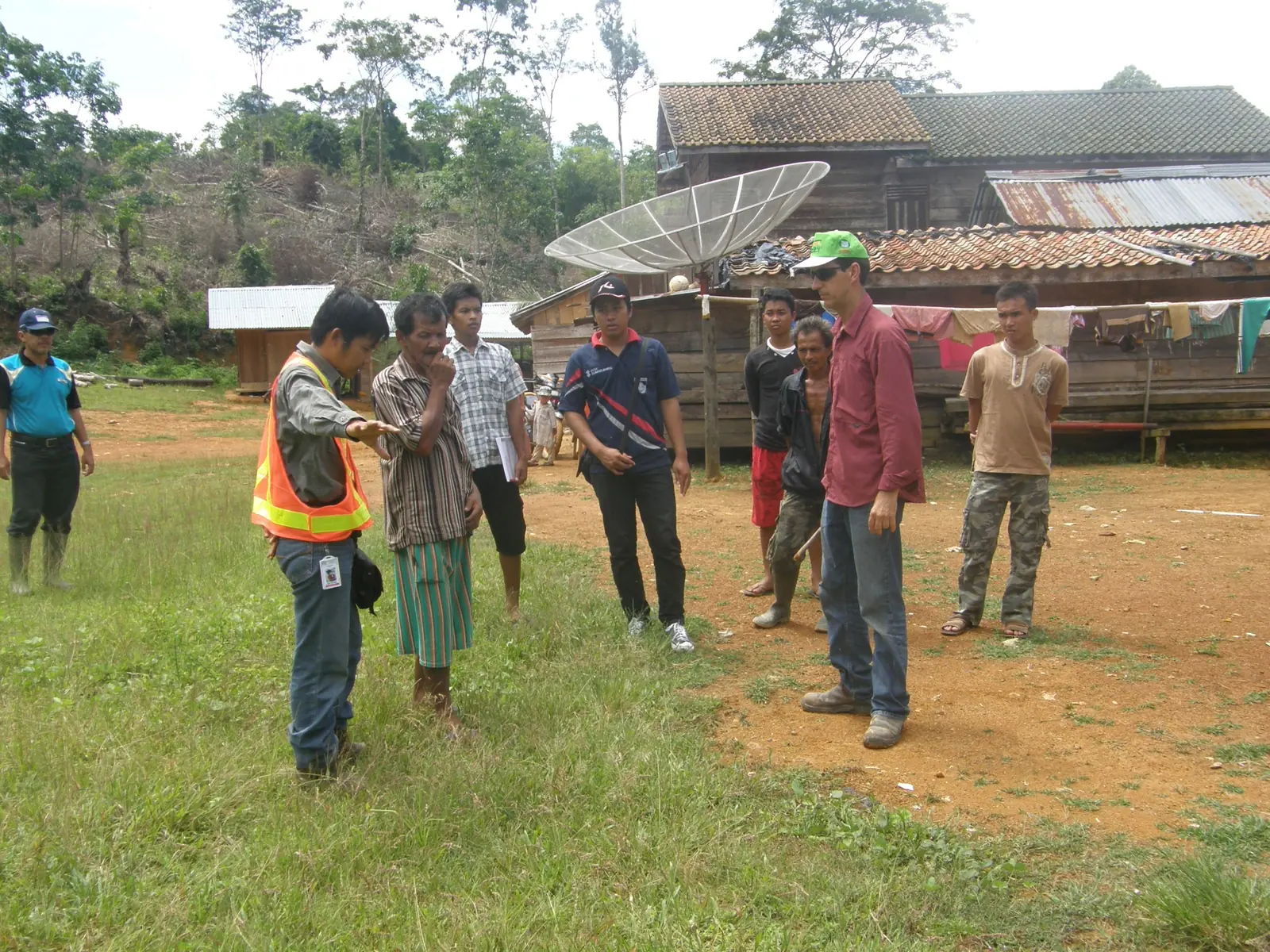 CASE 02
Why Promising Mining-Funded Community Pilots Can Fail After Handover
An anonymised composite examining the gap between promising pilot activity and a system equipped to continue when water, soil, labour, skills and authority remain unresolved.
The five conditions tested across every case
The EDGE5 Survival Gates™ provide a consistent way to examine whether a project is ready to operate as a community system, not simply whether its initial activities were completed.
Water
Is access reliable enough for the system to function through seasonal and operational stress?
Soil
Can the productive base recover, improve and remain manageable under local conditions?
Labour
Are ongoing roles, incentives and workloads realistic once project delivery ends?
Skills
Can local people operate, teach, adapt and troubleshoot without outside dependence?
Authority
Does a legitimate local structure hold the rights, resources and responsibility to continue?
Clear about what the evidence can support
Strong case studies do not turn partial records into absolute claims. EDGE5 identifies where evidence came from and distinguishes observations from independently verified outcomes.
Project reports, training records, field reviews, designs and other available program materials.
Figures or outcomes attributed to the client or implementing organisation rather than presented as independent verification.
Professional interpretation based on direct field experience, clearly identified where it extends beyond the documentary record.
Missing follow-up, incomplete implementation or unresolved long-term conditions are stated rather than hidden.
From field evidence to better project design
Need to know whether a community investment is built to continue?
EDGE5 can review the conditions, capability and ownership arrangements that determine what happens after handover.